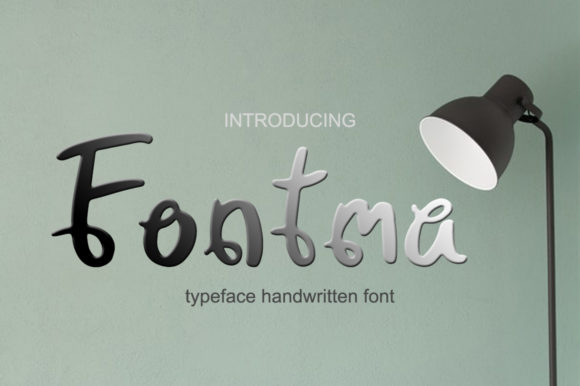
Fontma: A Handwritten Font for Creative Web Design
As a web designer, I’m always on the lookout for fonts that bring personality to digital spaces without sacrificing clarity. Fontma has quickly become one of my go-to choices for adding a touch of warmth and creativity to website layouts. Its modern yet playful handwritten style makes it ideal for headers, buttons, and decorative elements that need to stand out while still feeling approachable.
Fontma in Action: A Website Header Test
I recently tested Fontma on a boutique online store’s hero section. The font’s fluid curves and soft edges gave the header a handcrafted feel that matched the brand’s aesthetic. It worked well with a bold background image, allowing the text to pop without overwhelming the design. The font’s weight and spacing were just right for a large headline, making it easy to read on both desktop and mobile devices.
One thing I noticed was how Fontma handles different screen sizes. On smaller devices, the font maintained its legibility, which is crucial for user experience. I also appreciated the subtle swashes and ligatures that added a layer of sophistication without being too ornate.
Fontma for Call-to-Action Buttons
When designing a call-to-action button for a course landing page, I used Fontma to create a sense of urgency and excitement. The font’s playful nature made it perfect for a “Join Now” or “Start Learning” button. It paired beautifully with a clean sans serif font for the body copy, creating a balanced visual hierarchy.
Fontma’s versatility allowed me to experiment with different color combinations. On a dark background, it stood out clearly, while on a light background, it felt more organic and inviting. The font’s readability on both types of backgrounds made it a reliable choice for various design scenarios.
Fontma in Digital Branding
For a client’s brand identity project, I used Fontma in the logo and social media graphics. The font’s unique character helped differentiate the brand from competitors while maintaining a professional tone. It worked especially well when paired with a simple serif font for subheadings and descriptions, creating a cohesive look that felt both modern and timeless.
I also tested Fontma in a blog header and found that it added a personal touch to the content. It made the site feel more engaging and less static, which is important for keeping readers interested. The font’s natural flow complemented the blog’s editorial style without distracting from the message.
Fontma and Responsive Design
Responsive design is a key consideration for any web project, and Fontma performed well across different breakpoints. On mobile screens, the font didn’t lose its charm, and the spacing remained consistent. This is a big plus for designers who want to maintain visual integrity across all devices.
Another benefit of Fontma is its compatibility with webfont formats. I was able to embed it smoothly into the site without affecting load times. This is essential for maintaining fast performance, especially on sites with heavy visual content.
When Fontma Isn’t the Best Fit
While Fontma excels in display and decorative uses, it’s not ideal for long paragraphs or dense text. For body copy, I recommend pairing it with a clean sans serif font to ensure readability. The same applies to navigation menus, form labels, and other UI elements where clarity is critical.
Fontma also works best in designs that allow for ample white space. In tightly packed layouts, the font can appear cluttered, which might affect the overall user experience. That said, with thoughtful spacing and careful design choices, it can still be a strong asset in many contexts.
Fontma for Web Projects and Beyond
Whether you’re building a portfolio site, an e-commerce store, or a marketing campaign, Fontma offers a fresh and expressive option for your typography. Its modern handwritten style brings a human element to digital design, making it perfect for brands that want to feel authentic and creative.
Before using Fontma in a project, I always check the available styles, weights, and file formats. It’s important to ensure that the font meets the project’s requirements, especially if it’s being used for commercial purposes. Fontma’s support for multiple languages and its commercial licensing make it a solid choice for a wide range of web design needs.
Overall, Fontma is a versatile and stylish font that adds character to any website. Its ability to blend creativity with functionality makes it a valuable tool for web designers looking to elevate their digital projects.